
I came to Nashville in 1992, when my husband took a position as a worship pastor. I was privileged to stay home raising our six kids for many years, but I really lived in the bubble of the church building. Then a series of events pushed me out of my house and into community work, and God has been doing a real work of transformation in me ever since.
It started in 2005, watching Hurricane Katrina and thinking, “We’ve got to do something. What is my church going to do?” I learned a lot about disaster recovery, and that prepared me for the flood here in Nashville in 2010. I was called to work in the community in Southeast Nashville, leading flood recovery for two years. That changed my life. I was out of the bubble now and in proximity with neighbors, getting to know them and seeing with new eyes the beautiful diversity of the neighborhood I’d been worshiping in for years.
That experience showed me something about how we operate as the Church: Christians can often hunker down and stay siloed in our own churches, but what we need is followers of Jesus sprinkled in amongst the work happening in the community. Because when we walk with people who are different than us, two things happen: we’re able to disciple others in the ways of Christ through our attitudes, and at the same time, we’re being changed by the proximity of being with people who aren’t like us.
But that posture only works if we’re actually seeing people the way Jesus does in the first place. The Message translation of Ephesians 5 puts it this way: watch what God does and do it. He loves extravagantly, so that’s how we should love. We’re citizens of a different kingdom, and we’re supposed to be looking through God’s eyes and loving people the way Jesus loved people.
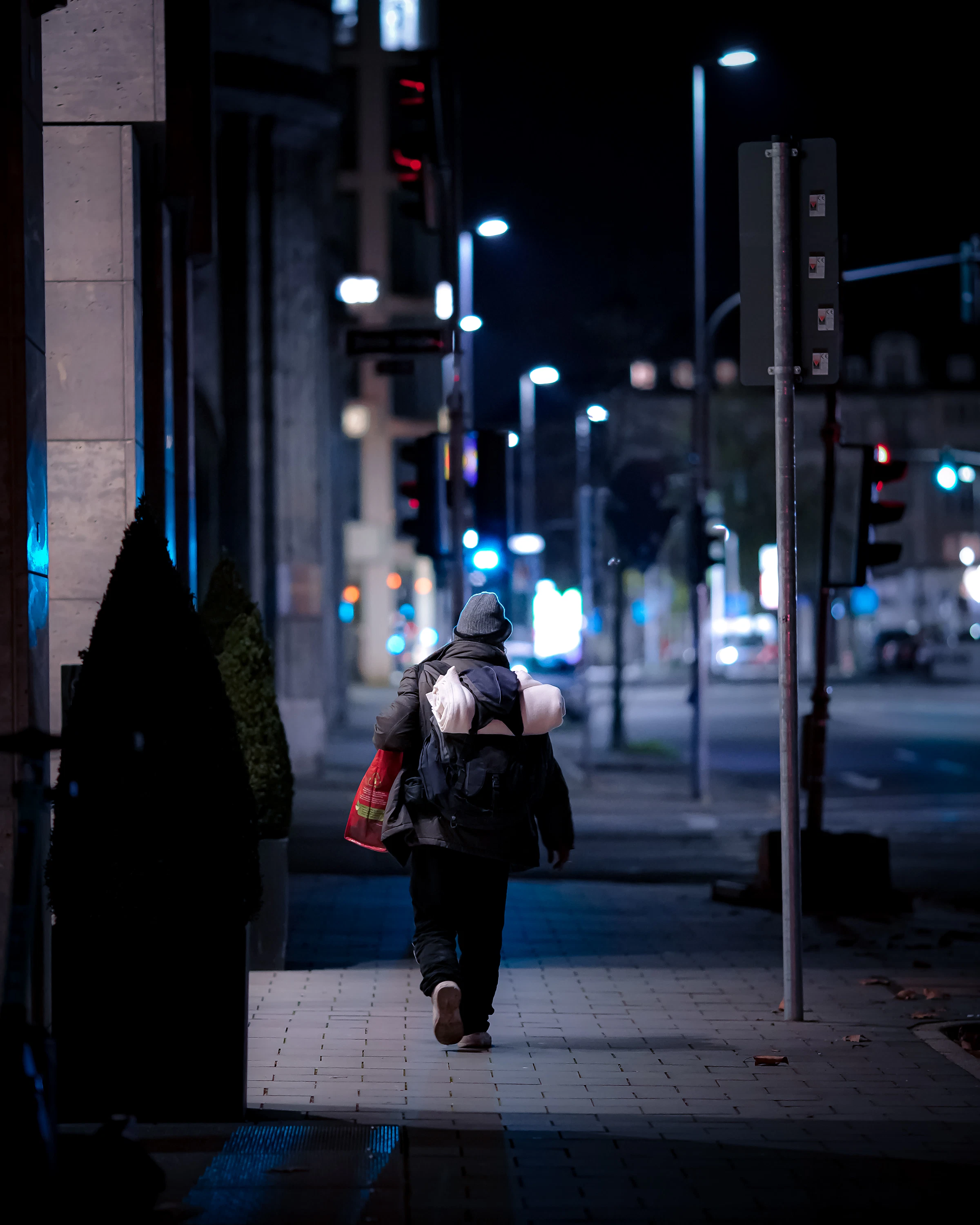
In those early years, God started revealing to me that I did not look at every person as an image bearer of God. For example, I used to have attitudes toward people who were unhoused. There were attitudes I had learned (and repeated) toward people I viewed differently because they were Muslim. But if I look at any human through the eyes of Jesus, I will see them in a completely new way.
I still have to remind myself of this. There’s a young man I often see holding a sign by the Tanger Mall. He’s a mess. I’m pretty certain he struggles with addiction. But I think, “He’s got a mama somewhere…somebody who wonders where he is.” I may or may not give him money, but I don’t have to look at him with contempt. John 3:16 records Jesus’ love for the world. It said “the world”; it didn’t say “the world, except for—”.
There are so many people hurting right now, and in a lot of places, the Church is turning a blind eye. So I would challenge the Church in our city to pay attention to the people who are suffering. Don’t turn your eye away. Don’t turn away without looking deeper at how God wants you to feel and think and see them. If we could look at every human being in this city as an image bearer of God, and treat them accordingly, it would really change the way we live, love, and serve in our community. It wouldn’t just transform our city; it would transform us.
This article was adapted from one of our As One interviews with leaders around our city. To watch the rest of the conversation with Melissa, click here.